How to Make Cheap Calls on the Internet
Learn how to make cheap calls on the internet without relying on mobile carriers. This guide explains what actually works, the limits of free apps, and smarter ways to call internationally.
Making phone calls shouldn’t still feel expensive in 2026, yet for a lot of people it does. International calls are the worst offenders. One short conversation and suddenly your carrier bill looks like you did something wrong.
The frustrating part is that the technology to make cheap calls has existed for years. The reason people still overpay usually isn’t lack of options. It’s confusion. Between “free calling apps,” international plans, roaming add-ons, and SIM swaps, it’s hard to tell what actually works without hidden catches.
The internet quietly changed all of this. If you know how to use it properly, it’s already the cheapest way to make calls.
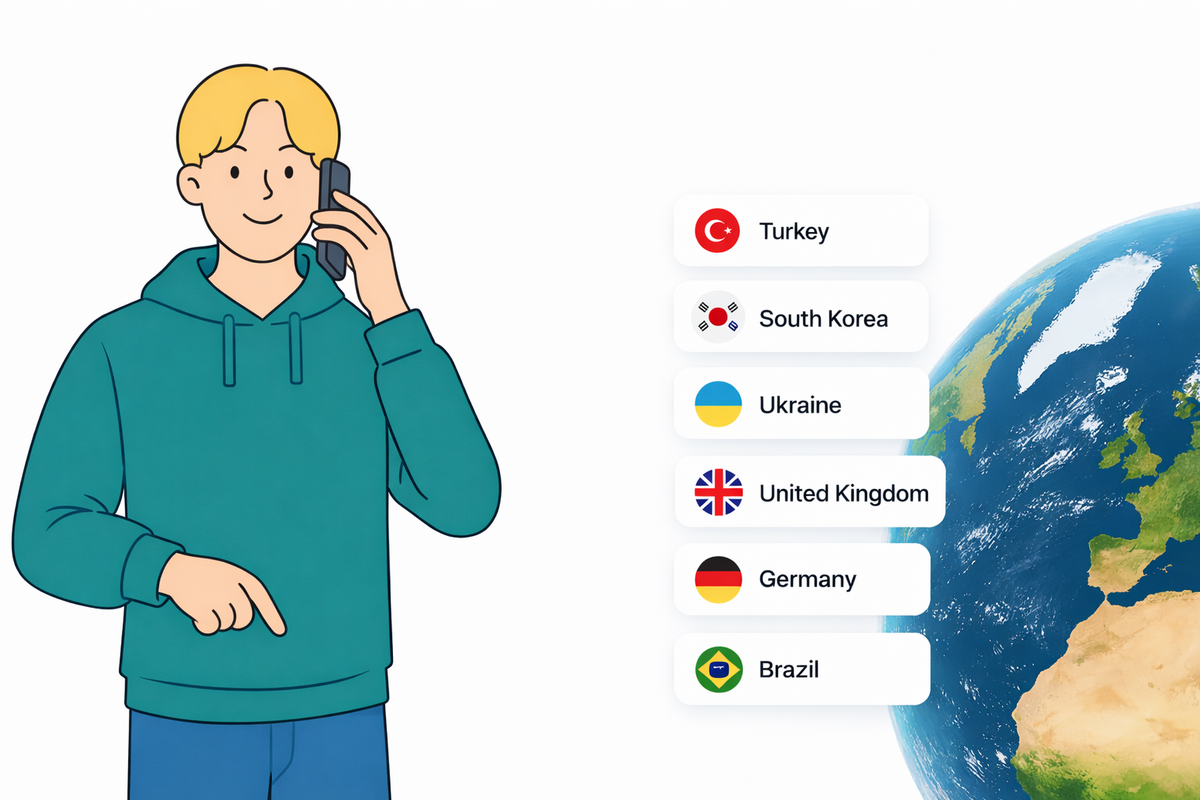
Call popular countries instantly
Tap a country to open the Sayfone dialer with the correct country code already filled in. No SIM card required.
Want a different country? Open the dialer and enter any number in +countrycode format.
Open full dialerWhy regular phone calls still cost more than they should
Traditional phone calls run through carrier networks that were built long before constant internet access was normal. International calls pass through multiple networks, agreements, and pricing layers. None of that benefits the person making the call, but everyone along the chain takes a cut.
That’s why international calls still feel outdated. The pricing model hasn’t caught up with how people actually communicate today.
Internet calls bypass most of that. Your voice is sent as data, not treated as a premium telecom service. Once you remove the carrier middlemen, prices drop quickly.
The problem with “free calling” apps
Most people searching for cheap internet calls end up finding apps that advertise free calls. Some of them genuinely are free, but only under very specific conditions. Usually both people need the same app. Often calls are limited in length. Sometimes the quality drops when networks get busy.
That’s fine if you’re chatting casually with friends who already use the same app. It stops being useful the moment you need to call a landline, a business, or someone who doesn’t want to install another app just to answer you.
Free apps aren’t broken. They’re just not designed to replace real phone calls.
What cheap internet calling actually looks like
The most practical version of internet calling is simple. You open an app, dial a real phone number, and the other person receives the call on their phone like any normal call. No setup on their side. No accounts. No explanations.
Behind the scenes, the call still travels over the internet, which is why it’s cheaper. But from a user perspective, it behaves like a normal phone call. That’s the point where internet calling becomes useful rather than experimental.
Using the internet to call real numbers
This is where services like Sayfone come in. Instead of limiting calls to app users, it connects internet calls directly to mobile and landline networks. You use Wi-Fi or data, dial a number, and the call goes through normally.
For the person you’re calling, nothing changes. They don’t know or care that you’re calling over the internet. For you, the difference shows up in cost and flexibility.
This matters a lot if you’re calling internationally, calling businesses, or calling people who prefer traditional phone calls over apps.
Why transparent rates matter more than “free”
One reason people get burned by calling apps is unclear pricing. Free minutes run out. Promotions expire. Limits appear after you’ve already started relying on the service.
A better model is showing call rates upfront. You see what it costs to call a specific country before you dial. You pay only for the time you use. No guessing.
That predictability is what makes internet calling workable long term, especially if you call multiple countries or call often.
You don’t need a SIM card anymore
Another quiet advantage of internet calls is that SIM cards become optional. As long as your device is connected to the internet, it can make calls. That includes phones with no SIM installed, old devices, or secondary phones you don’t want to keep paying a carrier for.
For travelers, expats, or people juggling multiple numbers, this alone can save a surprising amount of money and hassle.
Keeping a number without paying carrier prices
Some people also use internet calling to keep a phone number active without a full mobile plan. Instead of paying monthly fees for a SIM they barely use, they keep a number that works over the internet and receive calls wherever they are.
This is especially useful if you live abroad but still need a number from your home country, or if you want a second number without carrying another phone.
Is call quality actually good?
When internet calling was new, quality was hit or miss. That’s mostly no longer true. With a stable internet connection and a service built for real calling, quality is usually on par with traditional calls.
The biggest factor isn’t whether the call is “internet-based.” It’s whether the provider connects properly to telecom networks and manages traffic well.
Fin
Cheap calls on the internet aren’t about chasing free minutes. They’re about using modern networks instead of outdated pricing models. Once you stop relying on carriers for international calls, costs drop naturally.
If all you need is casual app-to-app chatting, free apps are fine. If you want to call real numbers, keep costs low, and avoid carrier surprises, internet calling is the practical option.
For a lot of people, it’s already replaced traditional international calling completely. They just don’t think about it as “internet calling” anymore. It’s simply how calling works now.